
There have been many moments throughout this journey where I wished I had never discovered circular design at all. That probably sounds strange coming from the founder of SunGods, but it's true, circular design has become remarkably good at ruining perfectly good ideas.
The moment you begin asking what happens next, almost everything becomes more complicated. Suddenly, a fitted sheet is no longer a fitted sheet, packaging is no longer simply packaging and materials become much more than a list of ingredients on a label.
Every decision quietly becomes another question waiting patiently behind it.
What happens next?
We found ourselves asking that question hundreds of times throughout this journey and it has become remarkably difficult to stop. What surprised me most wasn't discovering how difficult circular design is, it was discovering how early it begins.
Circularity doesn't begin when a product reaches the end of its life. It begins much earlier than that, long before manufacturing begins, packaging exists and a customer places an order.
It begins with a decision.

I have lost count of the number of times we have been excited about an idea only to discover it doesn't survive a circular design conversation. Circular design has ruined perfectly good ideas throughout this journey. We created products we loved, materials we admired, components that would have made our lives infinitely easier but circular design quietly became our non-negotiable.
The question is no longer:
Will customers like this?
It's:
What happens next?
What happens next to the materials?
to the product?
to the packaging?
to the environment?
What happens next if we're wrong?
It turns out circular design isn't really about designing products at all, it's about designing what happens next.

There was a time when I believed circularity simply meant recycling products at the end of their lives. Today, I am not even sure that is where the conversation should begin, increasingly, I have found myself asking more difficult questions.
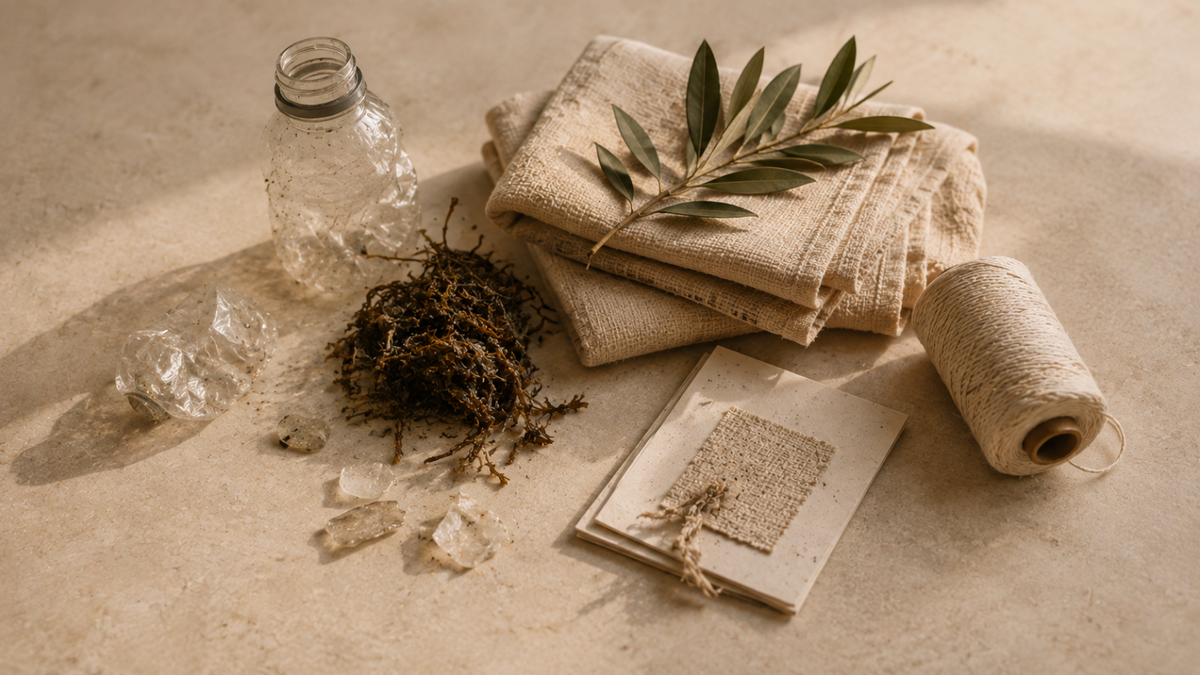
Is turning plastic bottles into towels a victory if they can never become anything else again?
Have we solved the problem or simply delayed it?
Are we designing products for continuation or are we designing slightly better endings?
I don't pretend to have all the answers, but I have become much more comfortable asking uncomfortable questions.
Circular design has taught me that sometimes the most responsible decision isn't asking what we can recycle, it's asking what we should have created in the first place.

One lesson has surprised us more than any other, circular design is often less about what you add and more about what you are willing to leave behind; less packaging, complexity, compromise, convenience when convenience quietly creates unnecessary challenges later.
Somewhere along the way, we realised we had become much better at saying no.
No to materials that didn't align with what we were trying to achieve. No to components that created unnecessary complexity later. No to solutions that solved today's problem whilst quietly creating tomorrow's. What has surprised me most is discovering, circular design doesn't always ask us to compromise, sometimes it simply asks us to keep looking.
For SunGods, that has meant discovering materials and technologies which quietly changed the conversation altogether.
YULASTIC® became one of those moments.
What began as a conversation about removing elastic from a fitted sheet introduced us to an entirely different way of thinking about stretch, performance and design.
Aluminium became another. If products are designed to continue, why are so many everyday components still designed around single-use plastics?
Innovation has taught me something else throughout this journey, sometimes building something different isn't about inventing something entirely new, sometimes it means discovering something better already exists. We simply have to remain curious enough to keep looking.

One thing this journey has taught me is circular design has made us remarkably impatient about some things and incredibly patient about others. There are products sitting quietly on our roadmap that I would love to bring to life tomorrow, our fragrance collection is one of them. Four natural fragrances inspired by the Gods made with Australian essential oils, designed to be worn on your skin, sprayed onto your linen and woven quietly into everyday rituals.
They are coming, just not yet, because there is one small problem we haven't been able to make peace with, Plastic pumps. The easiest decision would be to accept that's simply how fragrances are made, the more convenient decision would be to compromise and move on.
Yet every time we find ourselves approaching that conversation, we return to the same question.
What happens next?
We have spent months exploring alternatives and whilst we haven't found the perfect answer just yet, we are closer than we have ever been.
Innovation has taught me that sometimes building something different isn't about saying yes to exciting new ideas, it's about becoming comfortable saying not yet and perhaps that is part of designing with intention too.

Something unexpected happened whilst building SunGods. Circular design quietly stopped being one of the conversations we were having and became the conversation leading all of them. When we began exploring our future beach capsule collection, we didn't start by talking about colours, aesthetics or functionality.
We started exactly where we always do.
What happens next?
Could it be designed with a beginning, a life and a way home?
Could thoughtfully selected natural and recycled materials work together?
Could unnecessary components be eliminated?
Could it continue beyond its first life?
Could responsibility become part of its beauty?
We rarely begin product conversations by talking about products anymore, we begin by talking about questions and circular design quietly changed that.

The Awakening taught us to question what products are made from, discovery is teaching us something different. Circular design isn't really about what happens when a product reaches the end of its life, it's about considering everything that happens long before it ever exists.
The materials we choose. The questions we ask. The consequences we create.
What happens next?
It turns out that question is quietly shaping much more than the products we are creating, it's shaping the business we are building and the choices being made every day.
What I know for certain is this.
Every decision leaves something behind.
Every beginning creates something that follows.
Perhaps responsibility simply begins by becoming curious enough to ask what happens next.
We're only just beginning and perhaps that's the point.
The products we create, the choices we make and the lives we live are all designed with a beginning, a life, and a way home.